How do Venmo scams work, and how to avoid them

April 15, 2024
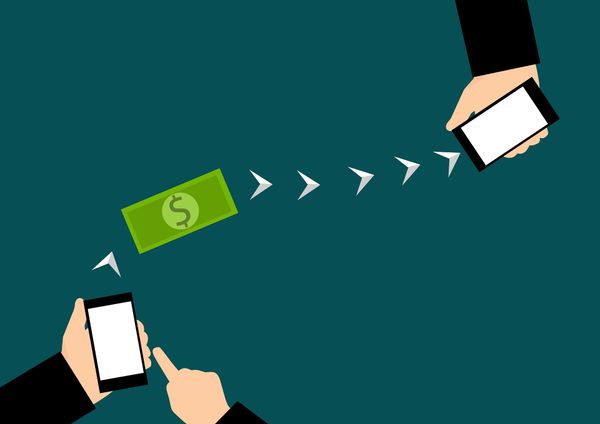
Venmo makes sending money feel quick and casual, which is exactly why scammers like using it.
A fake buyer, a phishing text, or even a stranger asking to borrow your phone for “just a second” can turn into lost money within minutes. And because Venmo transactions happen so fast, recovering stolen money is often difficult.
If you use Venmo to pay friends, shop online, or sell items, here are the most common scams to watch for, and how to avoid becoming the next victim.
Key takeaways
- Venmo scammers often use fake payments, phishing, impersonation, and urgency tactics
- Payments sent through Venmo are difficult to reverse
- Fake customer support and accidental transfer scams are very common
- Never send money to strangers or outside trusted marketplaces
- Security tools can help detect phishing links and scam messages
What are Venmo scams?
Venmo scams are fraud schemes designed to trick users into sending money, sharing login credentials, or giving scammers access to their accounts.
These scams can take many different forms, but they often rely on the same tactics. Scammers may pressure victims into paying through Venmo, create a false sense of urgency, impersonate trusted people or companies, send phishing links, or pretend to be Venmo customer support.
Many Venmo scams rely more on social engineering than technical hacking. Instead of breaking into accounts directly, scammers try to manipulate people into reacting quickly before they have time to stop, think, and verify whether something is legitimate.
How do Venmo scams work?
A scammer may pretend they accidentally sent you money, impersonate Venmo support, offer fake products online, or send phishing texts designed to steal your account credentials.
Once money is transferred through Venmo, recovering it can be difficult, especially if the payment was authorized by the victim.
Some scams also involve stolen credit cards, fake payment confirmations, account takeovers, or identity theft.
Most common Venmo scams to watch out for
Fake payment and accidental transfer scams
1. Accidental money transfer scam
A scammer sends money to your account using a stolen credit card and claims the payment was accidental. They then ask you to send the money back.
Later, when Venmo discovers the original payment was fraudulent, the payment is reversed. The scammer keeps the money you sent back, leaving you out of pocket.
2. Overpayment scams
The scammer “accidentally” sends you too much money and asks you to refund the difference. The original payment is later reversed or flagged as fraudulent.
3. Paper check scams
A scammer sends you a fake check and asks you to send part of the money back through Venmo before the check clears. Eventually, the check bounces, but your Venmo payment is already gone.
Fake buyer and marketplace scams
4. Fake buyer scams
You sell an item online and receive what looks like a legitimate Venmo payment. After you ship the product, the scammer reverses the payment or the transaction turns out to be fraudulent.
You lose both the item and the money.
5. Purchase scams
Scammers post fake listings on platforms like eBay, Etsy, Facebook Marketplace, or Craigslist but insist on Venmo payment outside the platform to avoid buyer protections. You pay but never receive the item.
6. Rental deposit scams
Fraudsters post fake rental listings and pressure victims to send deposits quickly through Venmo to “secure” the property. Often, they refuse in-person viewings or create excuses about why they cannot meet. Once the payment is sent, they disappear.
Venmo phishing and fake login scams
7. Phishing and smishing scams
Scammers impersonate Venmo through fake emails, texts, or social media messages.
These messages usually contain links to fake login pages designed to steal your Venmo username, password, or banking information.
Some phishing texts may claim:
- your account was suspended
- suspicious activity was detected
- you received a payment
- your account needs verification
8. Fake prize or reward scams
You receive a message claiming you won money, cashback, or a Venmo reward. The link directs you to a fake website that steals login credentials or financial information.
9. Customer support scams
Scammers pose as Venmo customer support representatives using fake phone numbers, spoofed caller IDs, emails, or social media accounts.
They may claim there’s an urgent problem with your account and pressure you into sharing verification codes, passwords, or sending payments.
Related: How To Spot and Avoid Tech Support Scams
Romance and impersonation scams
10. Romance scams
A scammer builds an emotional relationship online before inventing an emergency and asking for money through Venmo. These scams often involve fake identities, stolen photos, and long-term manipulation tactics.
11. Identity theft scams
Fraudsters steal personal information through phishing attacks, social engineering, or data breaches. They may impersonate your friends or family members and request money from people in your contacts.
Other common Venmo scams
12. Stranger-in-the-street scam
A stranger asks to borrow your phone for an “emergency.”
Once they have access, they quickly open Venmo and transfer money to themselves.
13. Fake investment or crypto scams
Scammers promise guaranteed profits or exclusive crypto opportunities if you send them money through Venmo. The investment never exists, and the scammer disappears with the funds.
14. Job onboarding fee scams
A scammer pretends to be an employer and asks you to pay onboarding fees, equipment deposits, or training costs through Venmo. After payment, communication stops.
Related:
- Depop Scams: How to Spot Fake Buyers, Sellers, and Payment Traps
- Don't Get Scammed! Facebook Marketplace scams you should avoid
Warning signs of a Venmo scam
Be cautious if:
- Someone pressures you to act immediately
- A stranger sends you money unexpectedly
- Someone asks you to send money back quickly
- A seller insists on payment outside a trusted platform
- You receive suspicious texts or emails with links
- Someone claims to be Venmo support and asks for sensitive information
- The offer sounds unusually profitable or urgent
What to do if you get scammed on Venmo
Contact Venmo immediately Report the scam through Venmo support as quickly as possible. Provide screenshots, usernames, transaction details, and any communication with the scammer.
Change your password. Immediately update your Venmo password and any other accounts using the same password.
Alert your bank. If banking details or card information may have been exposed, contact your bank or card provider immediately.
Report the scam. File a complaint with the Federal Trade Commission (FTC) and report suspicious accounts directly to Venmo.
Monitor your accounts. Watch for additional suspicious activity, unauthorized transactions, or signs of identity theft in the following weeks.
How to stay safe when using Venmo
Use Venmo mainly for small payments with people you know and trust. Avoid sending money to strangers, especially for online purchases, rental deposits, or investment opportunities.
Other important safety tips include:
- Never click links in unexpected texts or emails
- Double-check usernames before sending money
- Turn on multi-factor authentication
- Avoid keeping large balances in your Venmo account
- Do not hand your phone to strangers
- Use strong passwords and keep devices updated
- Review your Venmo privacy settings regularly
Two free security tools can help detect phishing links, fake login pages, scam messages, and malicious websites before scammers steal your money or account information.
Bitdefender Scamio allows you to check suspicious texts, emails, social media messages, screenshots, QR codes, or links that may be connected to Venmo scams. If you receive a suspicious link, the free Bitdefender Link Checker can verify whether the website is potentially dangerous before you open it.
For additional protection on your device, use Bitdefender Mobile Security to protect your phone against phishing attempts, malicious websites, and other mobile threats commonly used in payment app scams.
FAQs
Will Venmo refund my money if I get scammed?
In many cases, Venmo does not refund payments sent voluntarily between users, even if the transaction later turns out to be fraudulent. Contact Venmo and your bank immediately to explore possible recovery options.
Can you cancel a Venmo payment?
Usually no. Once a Venmo payment is completed, it generally cannot be reversed unless the recipient agrees to return the money.
How can you tell if a Venmo payment is fake?
Fake Venmo payments often involve screenshots instead of real transactions, unexpected transfers, urgent refund requests, or emails claiming payment confirmation that do not appear inside the official Venmo app.
Can scammers hack your Venmo account?
Yes. Scammers may steal accounts through phishing links, fake login pages, stolen passwords, malware, or social engineering tactics.
Is it safe to use Venmo with strangers?
Venmo is safest when used with people you know and trust. Sending money to strangers significantly increases the risk of scams and fraud.
What should I do if I notice unauthorized activity on my Venmo account?
Report the activity to Venmo immediately, change your password, review linked bank accounts and cards, and monitor your accounts for additional suspicious transactions.
tags
Author

Cristina Popov is a Denmark-based content creator and small business owner who has been writing for Bitdefender since 2017, making cybersecurity feel more human and less overwhelming.
View all postsYou might also like
Bookmarks
