Scammers use AI-generated images of missing pets to extort desperate owners

November 07, 2026
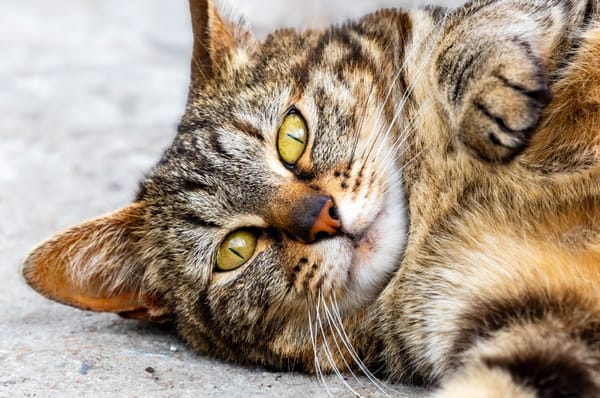
Fraudsters are exploiting the distress of people searching for lost pets, using AI-generated images to convince owners their animals have been found before demanding money and threatening to harm them.
Criminals are using artificial intelligence to fabricate evidence of missing pets being found, then pressuring their owners into paying hundreds or even thousands of pounds to get them back.
The scam, highlighted in a BBC investigation, targets people who have posted pictures of their missing cats and dogs on social media and pet rescue websites.
Fraudsters use those pictures to create convincing images of the animals in unfamiliar locations, claim to have found them, and demand payment before agreeing to return them.
When victims become suspicious or refuse to pay, the scammers sometimes threaten to harm or even kill their pets.
Key points
- Scammers are using AI-generated images to convince owners their missing pets have been found
- Fraudsters contact victims through online missing-pet notices and demand money or gift cards for the animals' return
- Some victims have received threats that their pets will be harmed or sold unless they pay
- Authorities advise owners to verify claims in person and never send money before confirming their pet has been found
Fake pictures, false hope, and threats
Stephanie Young, a foster carer from Birmingham, was searching for her missing cat Buddy when a woman calling herself Melissa contacted her with what appeared to be photographic evidence of the animal.
The woman claimed she had been feeding Buddy and wanted reward money for her grandchildren.
Convinced the pictures were genuine, Young withdrew money and arranged to meet the supposed finder to collect her cat.
But the woman never appeared. Instead, she refused cash and demanded Apple gift cards.
When Young questioned the authenticity of the images, she received threats that Buddy would be sold or killed.
The pictures, she later discovered, had been generated using AI.
More than a year after Buddy disappeared, he remains missing.
Another victim, Cam Chauhan from Wednesbury, received a similarly convincing image of her missing cat Creed sitting in a garden.
The person who contacted her demanded a £200 Apple gift card and refused to meet until the payment had been made.
Chauhan's daughters suspected the image was fake and warned her against sending money. She ultimately refused to pay.
In a third case, Sarah Robinson from Northampton was contacted by a man claiming to have found her missing cat Cookie.
After sending an image of the animal, the man demanded an astonishing £40,000 for its return.
When Robinson refused, he threatened to kill Cookie.
All three women reported their experiences to the UK's Report Fraud service.
AI makes missing-pet scams convincing
Missing-pet scams aren't new. Criminals have long exploited public appeals for lost animals, claiming to have found them and demanding payment before providing proof.
Armed with photographs taken from public missing-pet notices, scammers can create fabricated pictures that appear to show an animal in a garden, home or other plausible location.
The images can be convincing enough to make owners believe their search is finally over.
Dr Rasha Kassem, a senior academic at Aston University, told the BBC that AI has made previously complicated forms of deception much easier and more accessible.
The emotional pressure is another important part of the scam.
Criminals know that people searching for missing pets are often distressed and willing to act quickly if they believe their animals have been found. By introducing threats or demanding immediate payment, fraudsters attempt to prevent victims from questioning the evidence.
How to avoid missing-pet scams
Anyone searching for a missing animal should be cautious when contacted by strangers claiming to have found their pet, particularly if they demand money before arranging a reunion. Verify such claims before making any payment.
- Ask for proof beyond a photograph. Request a live video call showing the animal and a distinctive feature that hasn't been made public (remember that videos can also be manipulated)
- Don't pay in advance. Refuse requests for gift cards, cryptocurrency, wire transfers or payment links before you've verified the animal's whereabouts
- Keep identifying details private. Avoid publishing every distinctive feature of your pet. Reserve some information to help verify genuine sightings
- Don't respond to threats. Save messages, screenshots, account details and payment requests, then report the incident to the authorities
- Be wary of urgency. Anyone refusing to provide convincing proof while demanding immediate payment should be treated with suspicion
- Arrange a safe meeting. If someone claims to have your pet, ask to meet in a public place, preferably accompanied by another person
AI-generated images are becoming another tool in the fraudster's arsenal, but the underlying deception remains familiar: exploiting someone's trust and emotions to pressure them into sending money.
For pet owners, the most important precaution is to verify that an animal has genuinely been found before agreeing to any payment.
If you receive a suspicious message, link or request for payment, Bitdefender Scamio can help you determine whether you're dealing with a scam. Our AI-powered scam detector analyzes suspicious content and provides guidance on what to do next, helping you avoid falling for fraudsters' tricks.
On topic:
Scammers offer ‘free’ phones, then trick victims into returning them
Europol busts investment scam network spanning 50 countries, seizes over 100 servers
Bitdefender wins Best Scam Protection in H1 2026 from Artifact Security
tags
Author

Filip has 17 years of experience in technology journalism. In recent years, he has focused on cybersecurity in his role as a Security Analyst at Bitdefender.
View all postsYou might also like
Bookmarks
